When Should You Start Sweet Pea Seeds in January?
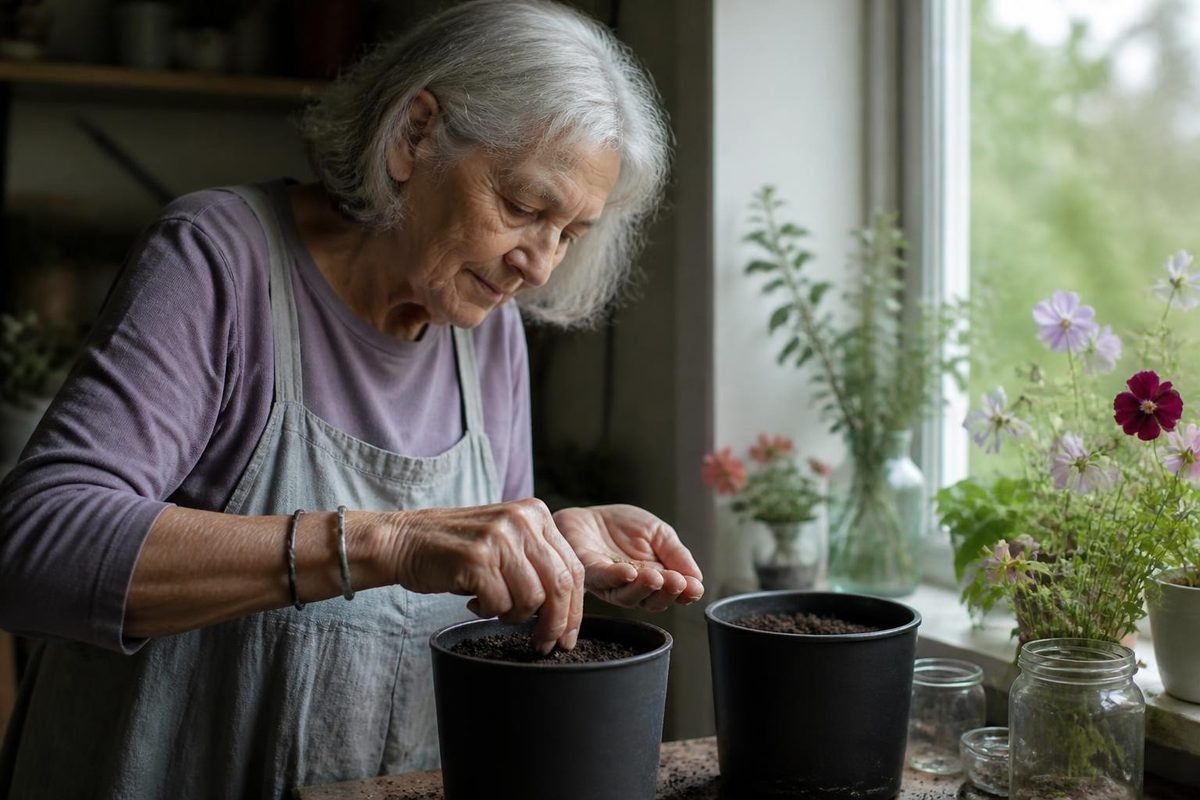
Start sweet pea seeds in January if your expected last frost is about six to eight weeks away and you have a cool, bright place to grow them. If your last frost comes much later, wait until you are closer to that window so the seedlings do not outgrow their pots indoors.
Count back from your last frost
Look up the average last spring frost date for your area, then count back six to eight weeks. That gives you a useful indoor sowing window. For example, if your last frost is expected in early March, January can be a sensible time to sow.
The date is a guide, not a promise. Spring weather varies, so check the forecast before moving plants outside. In places with a late spring, sowing in February or March may be more practical than starting in January.
Consider your winter conditions
Sweet peas prefer cool growing conditions. Seeds started indoors need good light once they emerge, but they do not need a hot room. A bright, cool spot helps keep the young plants sturdy while they wait for outdoor conditions.
In areas with mild winters, sweet peas can also be sown outdoors in autumn or winter where the soil is workable. Local weather matters more than the month on the calendar. If the ground is frozen or waterlogged, use pots indoors or wait for better conditions.
Give January seedlings a good start
Use clean pots with drainage holes and fill them with moist seed compost. Sweet peas make substantial roots, so a deeper pot gives them room to develop. Sow the seeds about an inch deep, cover them, and keep the compost moist but not soaked.
- Put the pots in a bright place as soon as seedlings appear.
- Check the compost regularly and water when the surface begins to dry.
- Keep the plants cool rather than placing them beside a heater.
- Provide small supports if the stems begin to climb before planting time.
If you have a lot of seeds, sowing a few at intervals can spread out the work and give you a backup if some fail to germinate.
Prepare plants for the garden
Before planting out, gradually introduce indoor seedlings to outdoor conditions. Put them outside in a sheltered spot for a short time, then increase their exposure over several days. Bring them back under cover if severe weather threatens.
Plant them in a sunny place with well drained soil and a support for the stems to climb. Handle the roots gently and water the plants after setting them in the ground. Young sweet peas can tolerate cool conditions, but tender indoor growth needs time to adjust.
Questions about January sowing
Do sweet pea seeds need soaking?
Soaking is optional. You can sow the seeds without it and keep the compost evenly moist while you wait for germination.
Can I sow them directly outside in January?
Yes, in a mild climate with workable soil. In colder areas, frozen or waterlogged ground makes indoor sowing or a later start more reliable.
What if my seedlings become tall and thin?
Move them to a brighter, cooler spot and give them support. For future sowings, starting closer to planting time can help limit their time indoors.
Keep reading: flowers to Europe guide